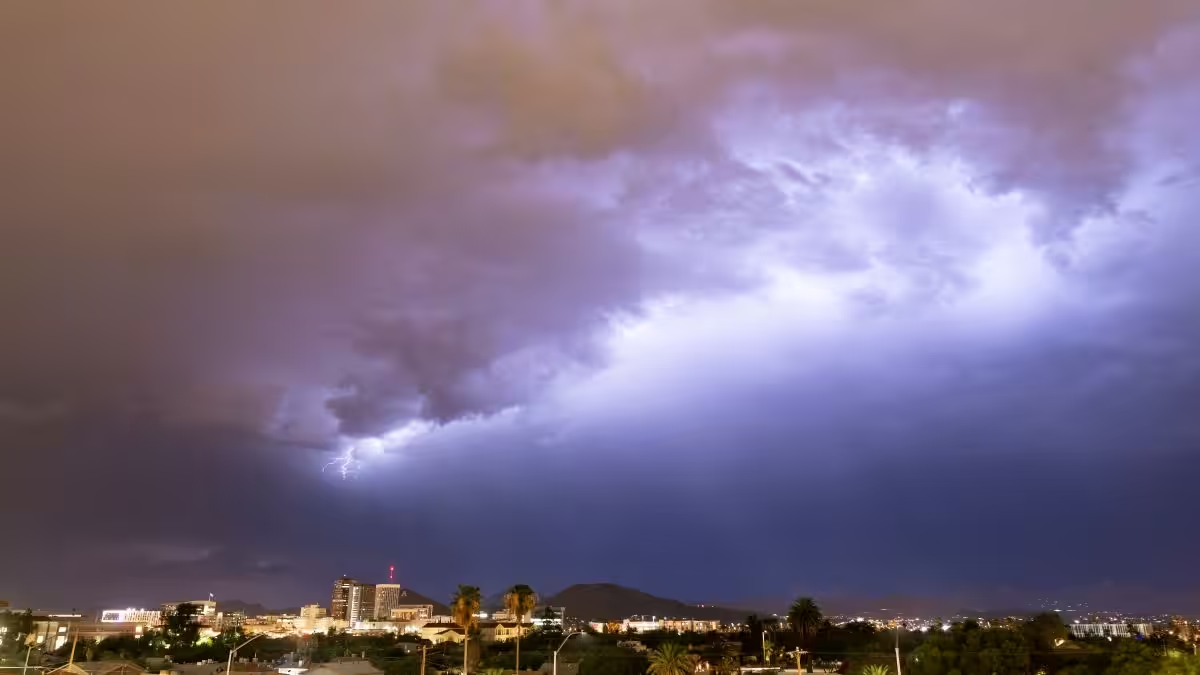

The skies are clearing. The patio is drying. You are ready to put the storm behind you. Then you walk into the living room and notice something that was not there before: a damp, musty smell.
Maybe there is also a faint ceiling stain near a window or a patch of paint starting to bubble. Nothing looks dramatic, but something does not feel right.
You do not need a flooded room to have a moisture concern. After Arizona rain, changes inside your home deserve attention, even when the weather outside has improved.
Clear Skies Do Not Tell You What Is Happening Inside
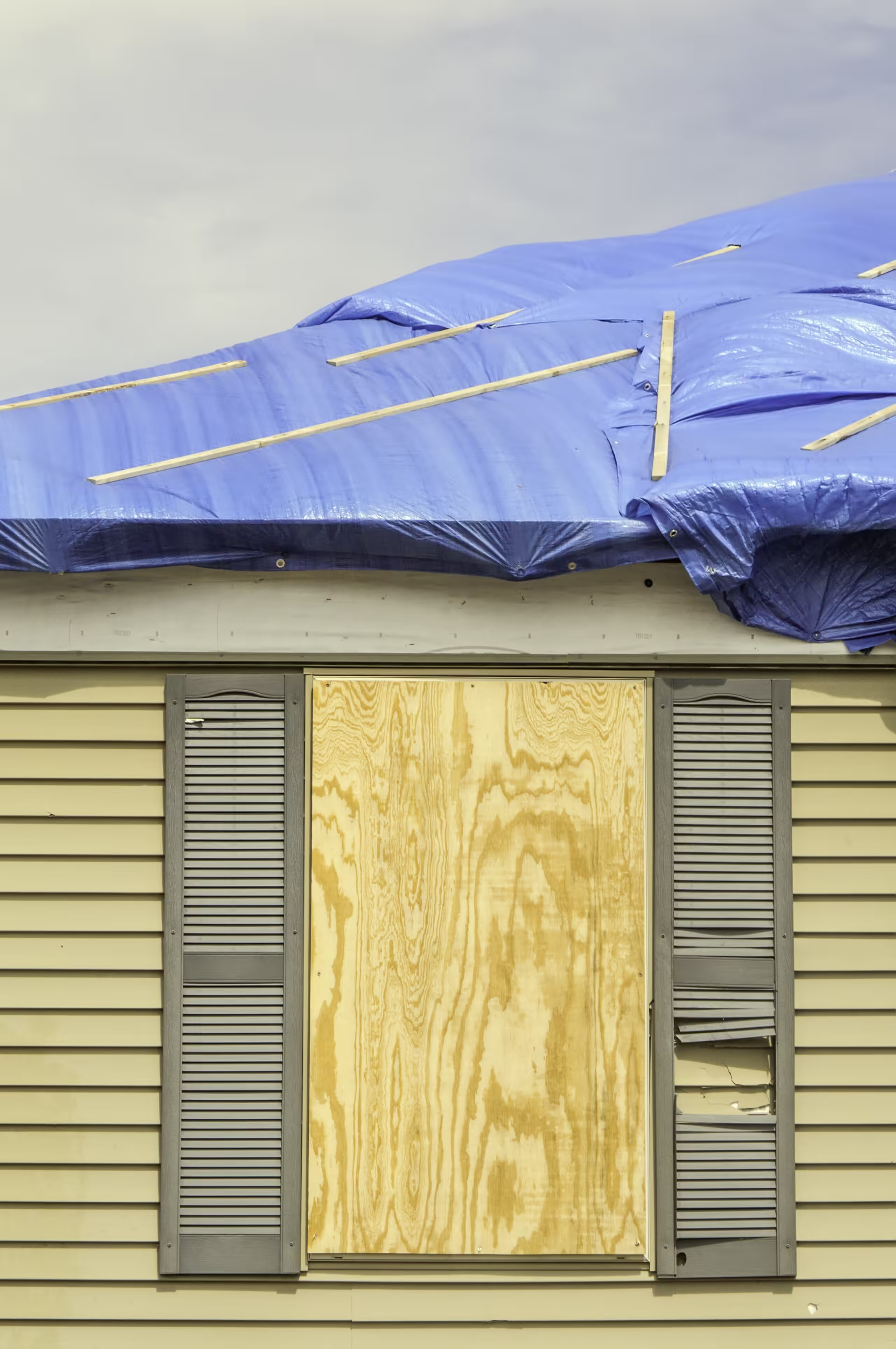
Rain can enter through damaged exterior openings or other vulnerable areas and reach materials beyond the spot where you first notice it. National First Response’s storm damage restoration services address water intrusion as well as the damage storms can cause to a property’s exterior.
Once the rain stops, an active drip may stop too. That does not establish that the affected wall, ceiling, insulation, or flooring is dry. The weather and the condition of your home’s materials are two different things.
A room may look mostly normal while moisture remains in an area you cannot easily see. An assessment helps clarify the extent of the concern rather than relying on appearances alone.
A Musty Smell Is a Clue, Not a Complete Diagnosis
A lingering odor deserves investigation, especially if it follows a leak or arrives with visible changes. However, smell alone cannot tell you where the problem is, how extensive it is, or what work is needed.
The Environmental Protection Agency notes that a moldy odor can suggest mold growth and should be investigated. That is a reason to look into the concern, rather than assume either that everything is fine or that the entire home needs mold remediation.
Tell the assessment team when you first noticed the smell, which room it is strongest in, and whether it returns after rain. Those details help guide the investigation.
Look for Changes You Can Document Safely
A new brown or yellow ceiling mark, bubbling paint, peeling finishes, or damp flooring can help you identify where attention is needed. A stain that expands after another storm is particularly useful information to share.
Take photos from a safe location and note when the changes appeared. Include a wider view of the room and a closer view of the affected surface when possible. An older stain may tell a different story from one that is newly developing, so explain what has changed.
If a ceiling is sagging, water is near electrical fixtures, or an area appears unsafe, stay clear and seek professional help. Avoid opening walls or disturbing suspected mold just to find the source yourself.
Drying Means More Than Making the Surface Look Better
Wiping up visible water is helpful, but it does not confirm that surrounding materials have dried. Painting over a stain or covering an odor also leaves the underlying moisture question unanswered.
Professional water damage restoration can include assessing affected materials, removing water, controlled drying, and tracking moisture readings. The drying plan depends on the source of the water, the materials involved, and their condition.
National First Response uses Dry In Place restoration methods when they are safe and appropriate. This approach may allow suitable materials to be dried without removing them. It is not right for every loss, particularly where contamination or compromised materials require a different approach.
The goal is to understand what can be preserved and what needs further work, rather than assuming every stain requires demolition.
Address the Moisture Before the Cosmetic Repair
A fresh coat of paint can wait until the source and drying needs have been addressed. Otherwise, you may be refreshing a surface while the cause remains unresolved.
EPA guidance emphasizes fixing water problems and drying affected materials promptly to reduce the opportunity for mold growth. Getting help early gives the restoration team a chance to assess the concern and recommend appropriate action.
You do not need to know the diagnosis before asking for help. Knowing that something changed after the storm is enough to start the conversation.
Get a Clearer Picture of What Comes Next
If your home still smells damp after the rain, or you are noticing new stains and changing finishes, contact National First Response. Our team can assess the affected space and explain the next steps for drying, restoration, and repairs.
The storm may be over. Let us help you understand what it left behind.
Frequently Asked Questions
Does a musty smell after rain always mean mold?
No. An odor alone is not a complete diagnosis, although a moldy smell should be investigated. An assessment can help identify moisture concerns, locate affected areas, and determine whether further evaluation or remediation is appropriate.
Can a ceiling stain remain after a leak has stopped?
Yes. A stain can remain after a past leak, but its appearance alone does not establish whether the area is currently dry or whether the source has been corrected. Report new, growing, or recurring stains and have the affected area evaluated.
Will water damage mean removing all the affected drywall or flooring?
Not necessarily. Some structurally sound materials may be suitable for controlled drying in place. Other conditions, including contaminated water or damaged materials, can require removal. National First Response evaluates the loss before recommending a drying and repair approach.
Dealing with damage right now?
Get certified help onsite within the hour.
Call National First Response 24/7: we stop the damage, document everything, and bill your insurance directly.